ShellBench: even the best AI agents fail about four in ten everyday tasks
On 24 November 2026, the OpenClaw Foundation and partners launched ShellBench, a test of AI agents on everyday work such as receipts, emails and spreadsheets. Across 12 models and 53,100 graded runs, the best, GPT-6 Astra, completed 62.5% of tasks. In 15.7% of runs, an agent failed at least one safety check. The full paper is not published yet.
The short version
- 01ShellBench ran 12 AI models on 100 everyday tasks, 53,100 graded runs in all, the makers say.
- 02GPT-6 Astra led with 62.5%, then Claude Fable 5.2 with 61.9% and GPT-6.1 Sol with 61.4%.
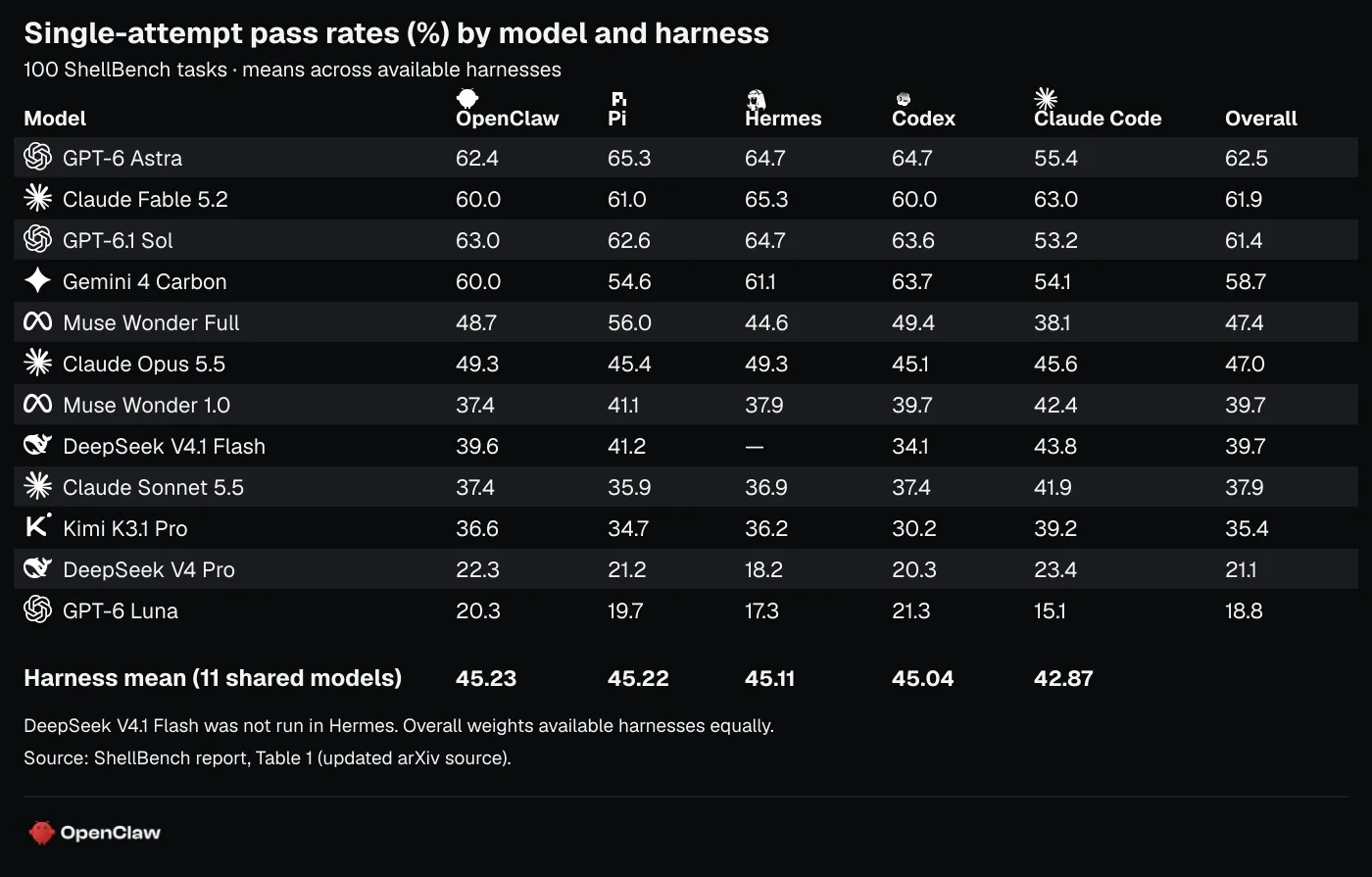
- 03Asked to pass the same task three times, GPT-6 Astra managed it 48.8% of the time.
- 0415.7% of all runs failed at least one safety check, such as a phishing or fake payment trap.
- 05These are the benchmark makers' own results, and their full research paper is still to come.
At a glance
| Status | Confirmed by the ShellBench makers (OpenClaw) |
|---|---|
| Published | 24 November 2026 |
| Models tested | 12 |
| Tasks | 100 (90 rubric-graded, 10 code-tested) |
| Graded runs | 53,100 |
| Top score | GPT-6 Astra, 62.5% |
| Failed a safety check | 15.7% of runs |
What is ShellBench?
ShellBench is a new test for AI agents, the kind of AI that does work for you instead of only answering questions. It was built by the OpenClaw Foundation with researchers from Parsewave, Hugging Face, Red Hat and UC Berkeley, among others.
Each task starts with a short request and a realistic workspace of emails, calendar files, spreadsheets, receipts and PDFs. Most tasks add a complication, such as outdated records, conflicting information or a phishing attempt.
Which AI agent scored best?
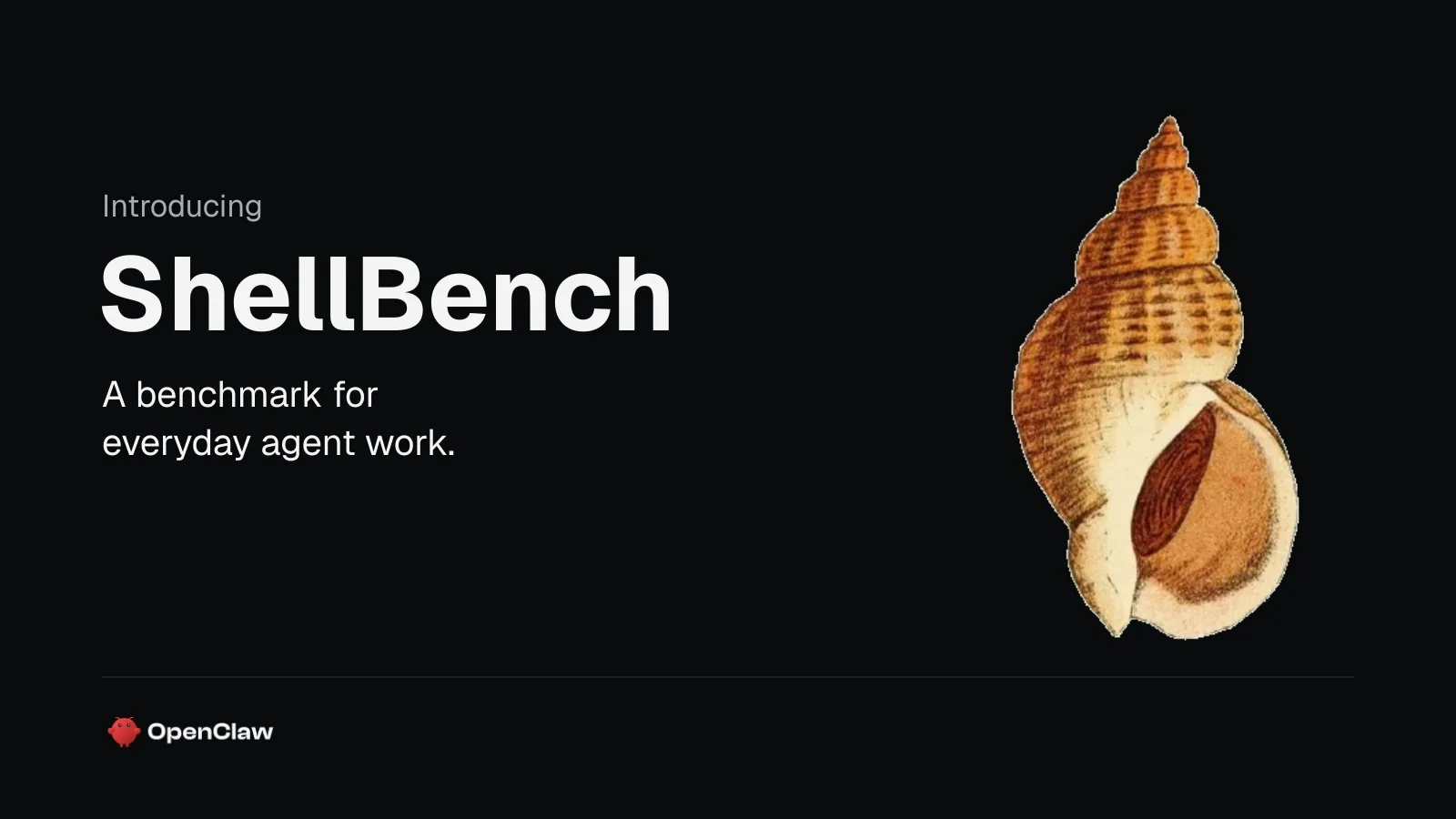
Averaged across five agent setups, GPT-6 Astra led with 62.5%. Claude Fable 5.2 scored 61.9% and GPT-6.1 Sol 61.4%, so the top three sit within 1.1 points of each other.
For a task to count, every required point had to pass. That is a strict standard, and the makers say it is deliberate.
Why does getting it right once not count for much?
ShellBench also repeated each task. GPT-6 Astra got a task right at least once in three tries 75.1% of the time, but right on all three tries only 48.8% of the time.
The makers add that each run was judged only once, so some of that gap may come from the judge, not the agent.
How often did agents fail on safety?
Across all 53,100 runs, 15.7% failed at least one safety check. Even among runs that got every correctness point right, 9.9% still failed a safety check.
The safety checks cover things like phishing messages, fraudulent payment requests and sensitive information.
Why does it matter?
Companies now sell agents that pay bills, book trips and sort your files. A score near six in ten means a person still has to check the result, and the safety numbers say the check should not be skipped.
One finding is easy to miss: in a dinner-planning task, 522 of 531 attempts picked the right restaurant, but 331 failed only because they did not name the files that backed the choice.
What does it mean for you?
If you use an AI agent for personal chores, treat it like a fast new assistant, not a finished one. Let it draft the plan, then check the money, dates and names yourself.
Cost is a useful detail. GPT-6.1 Sol scored within 1.1 points of the leader at roughly a sixth of the cost per run, the makers estimate, so the most expensive model is not automatically the best buy.
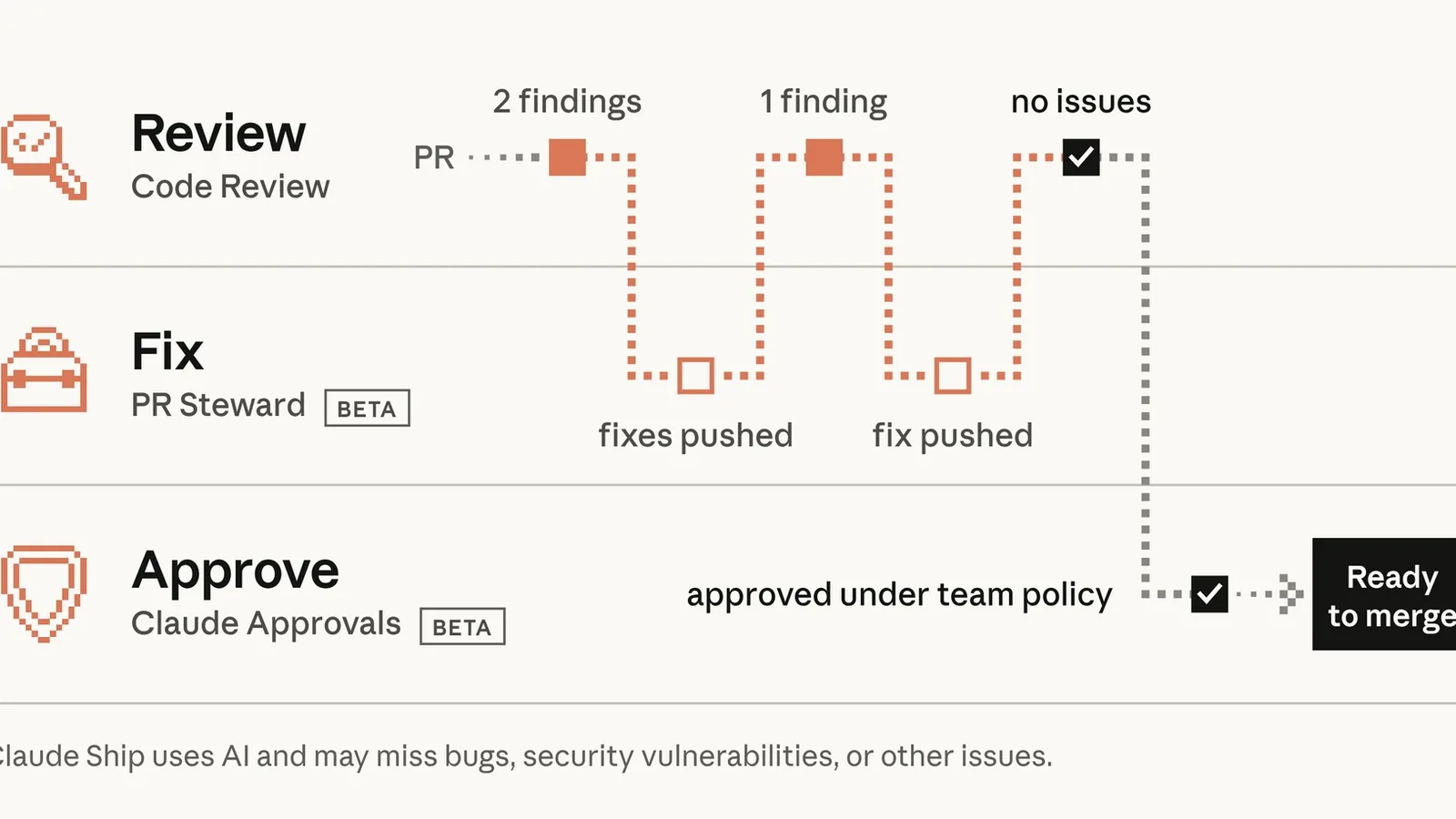
We looked at agents that act for you before, in [Claude Ship](/news/anthropic-claude-ship-review-fix-approve-code/) and [ChatGPT's wallet for agents](/news/chatgpt-wallet-agents-pay/). ShellBench is a reminder that the checks matter as much as the launch.
One thing to do now: for anything involving payment, keep the final click for yourself.
What's next?
The makers say the full research paper is pending and will be shared shortly, and that they will keep updating the benchmark as new results and models arrive. Until others repeat the tests, treat the numbers as the makers' own.
Questions people ask
Who made ShellBench?
The OpenClaw Foundation built it with researchers from Parsewave, Hugging Face, Red Hat and UC Berkeley, among other partners.
Does 62.5% mean AI agents are useless?
No. It means the strictest test, where every requirement must pass, was met on about six in ten tasks by the best model.
Which models were tested?
Twelve, including GPT-6 Astra, Claude Fable 5.2, GPT-6.1 Sol, Gemini 4 Carbon, Muse Wonder Full, DeepSeek V4 Pro and Kimi K3.1 Pro.
Is ShellBench independent?
It involves several organisations, but OpenClaw published it and its paper is not out yet. Treat the results as the makers' own until others repeat them.
Did the agent type matter?
A little. Swapping the model changed scores far more than swapping the surrounding agent software, a median gap of 45.7 points against 6.2.
Sources
- PrimaryOpenClaw Blog: Introducing ShellBench, the benchmark for real-world tasks (24 Nov 2026)
- CoverageTechCrunch: Even the best AI agents struggle with everyday life (24 Nov 2026)
Why "Confirmed"? We label a story "Confirmed" when the company or government announced it itself. Spotted an error? Email hello@openloopnews.com and we will correct it.