OpenRouter drops three AI providers after Dragos found prompts leaking
On 22 November 2026, OpenRouter said it had dropped three AI providers and removed 125 endpoints from its Zero Data Retention list, after security firm Dragos reported that data from at least three providers was exposed. Dragos had sent about two million test prompts holding fake secrets. OpenRouter says its own systems were not breached.

The short version
- 01OpenRouter says it off-boarded three providers and removed 125 endpoints from Zero Data Retention (ZDR) eligibility.
- 02Dragos sent about two million prompts with trackable fake secrets to widely used AI services between July and November 2026.
- 03It found activity showing data from at least three AI providers was exposed, and resellers that could view and keep prompts.
- 04OpenRouter says the findings showed no breach or unauthorized access of OpenRouter itself.
At a glance
| Status | Confirmed by OpenRouter (22 Nov 2026) and Dragos (19 Nov 2026) |
|---|---|
| What OpenRouter did | Off-boarded three providers, removed 125 endpoints from ZDR eligibility, notified affected customers |
| The test | About two million prompts with canary URLs and credentials, July to November 2026 |
| Providers exposed | Data from at least three AI providers, per Dragos |
| OpenRouter's own systems | No breach or unauthorized access found, per OpenRouter |
| Still to come | ZDR restored only after assurances and validation |
What did OpenRouter announce?
OpenRouter is a service that sends a developer's AI request to one of many models and hosting companies. On 22 November it posted that it had taken three providers off its service, after its own investigations.
It also removed 125 endpoints from Zero Data Retention (ZDR) eligibility. ZDR is the label for endpoints that promise not to keep prompts. Some removals were precautionary, and it has notified all potentially affected customers.

How did Dragos test where prompts go?
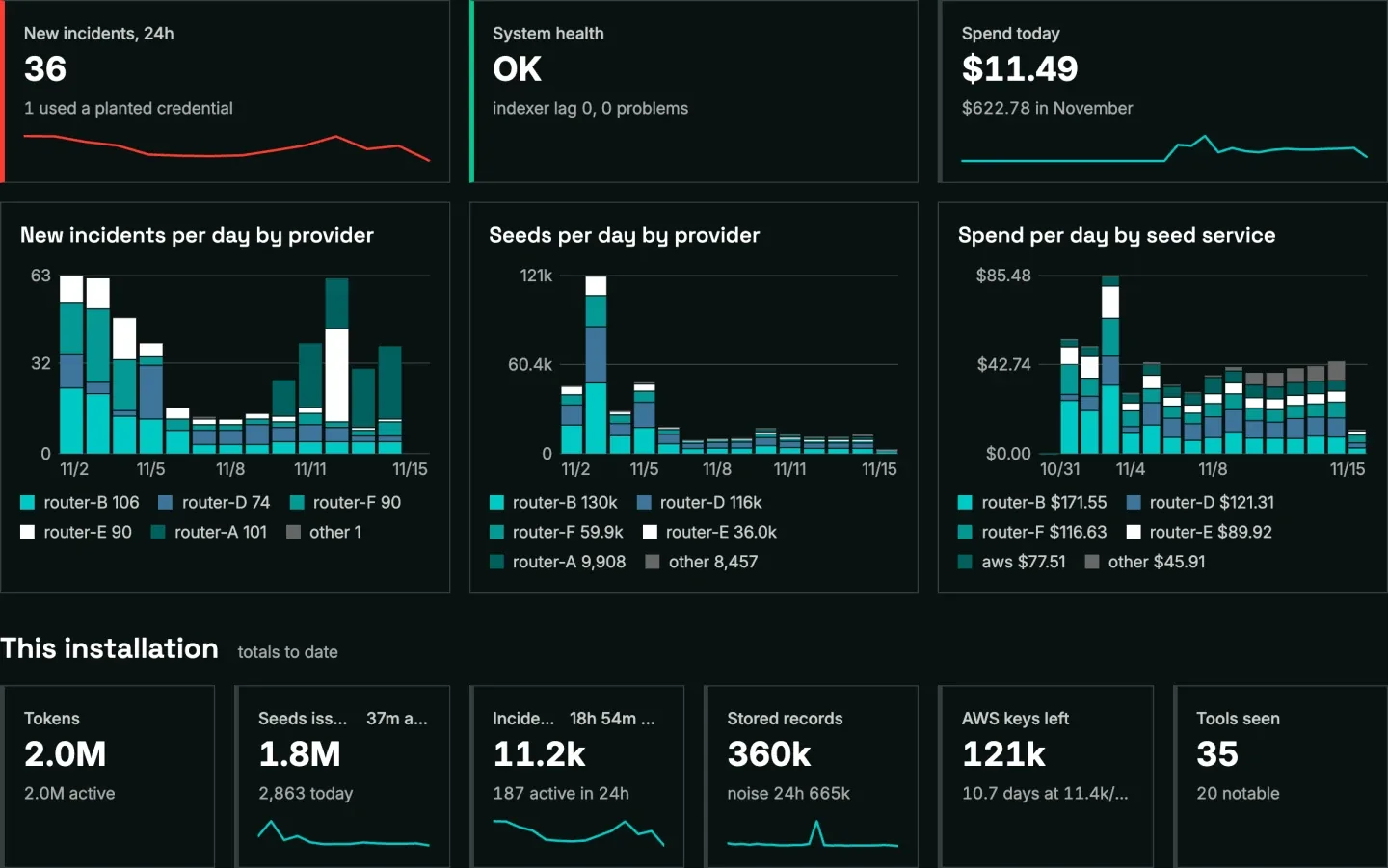
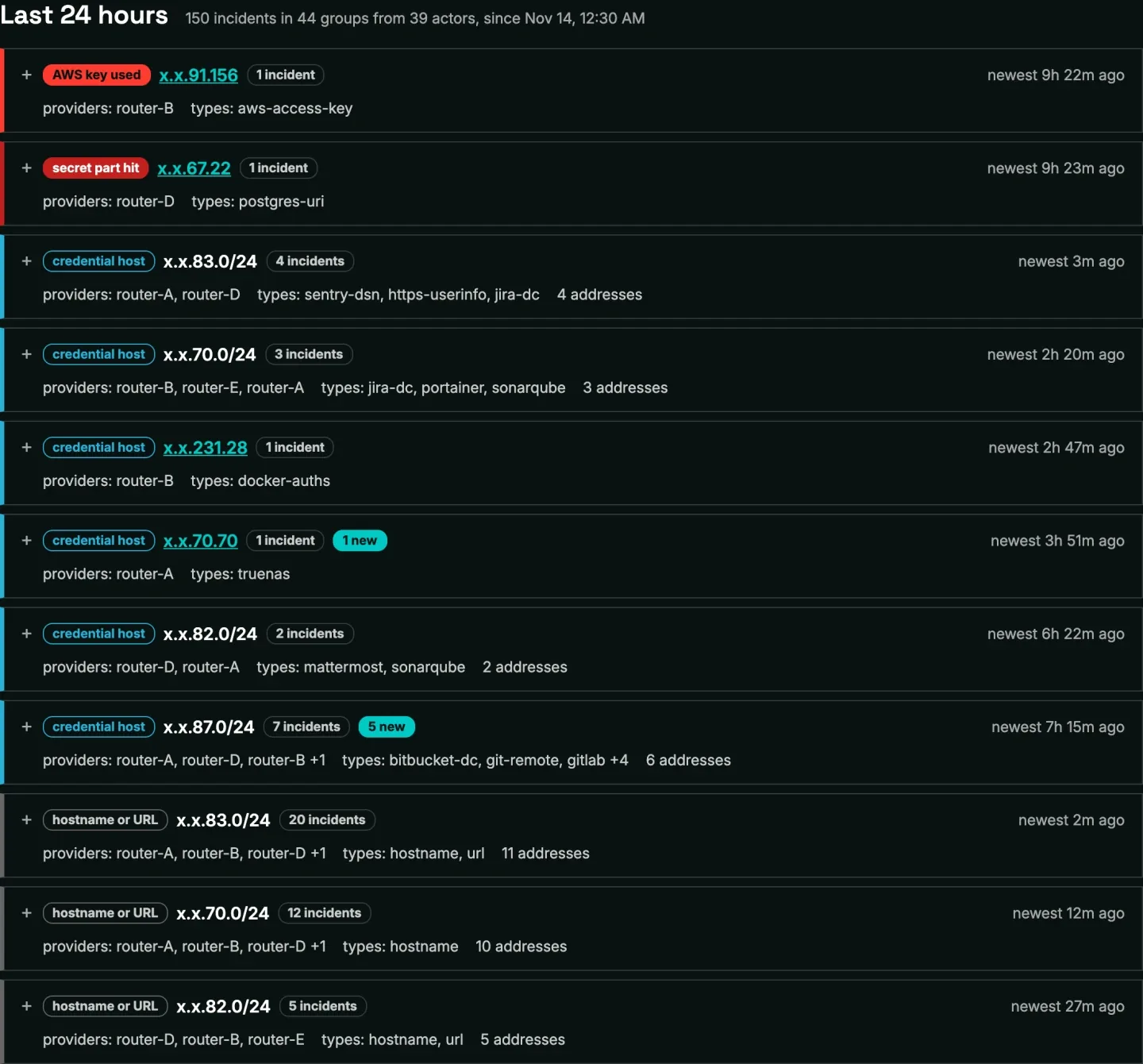
Dragos is a security company. From July to November 2026 it sent about two million prompts to widely used AI services. Each held unique URLs and fake credentials, called canary tokens, that no real system would ever use.
If anyone opened one of those links or tried one of those keys, that showed someone had seen the original prompt. Dragos then watched where the secrets turned up.
What did Dragos find?
Dragos reports three findings. Data from at least three AI providers appeared to be exposed. Multiple resellers on an inference marketplace could view and keep customer prompts using ordinary logging, without breaking in.
It also saw providers that appeared not to honor privacy settings or published policies. Its examples include prompts sent to US-based providers reaching Chinese AI organizations, and links opened months after a single request.
What is an AI router?
An AI router offers one address that forwards your request to a pool of models, sometimes at different hosts, with one bill. Dragos notes the path can pass through more than one router, and that every hop can see the whole prompt and reply.
That is the risk in plain terms: the company you chose may not be the only one that handles what you type.
Why does it matter?
Dragos says prompts often hold source code, internal messages, plans, customer details and credentials. A promise on a settings page is only as good as every company on the route.
We reported on a related worry last week, when [Meta's Muse agent was reported to mix up conversations](/news/meta-muse-ai-agent-safety-mishaps-reuters/). That was one company's agent. This is about the supply chain behind many apps.
What does it mean for you?
If you only chat in the ChatGPT, Claude or Gemini apps, neither OpenRouter's post nor Dragos's summary says your chats were involved. The findings concern providers and routers, which are mostly used by developers and by apps built on them.
If an app you use says it runs on several AI models, or you build with an AI gateway, ask which providers handle your data and whether the app promises not to keep it. Treat a ZDR label as a promise to check, not a guarantee.
One thing to do now: do not paste passwords, keys or private documents into any AI tool you cannot trace. Our guide on [what AI remembers about you](/learn/what-ai-remembers-about-you/) shows how to check the settings in the main apps.
What's next?
OpenRouter says it is adapting the researchers' test method to run checks on an ongoing basis, and checking network paths to find requests forwarded to third parties. It will restore ZDR eligibility only after assurances and validation. It adds that not every affected provider has posted publicly.
Questions people ask
Was OpenRouter hacked?
OpenRouter says the findings did not show any breach or unauthorized access of OpenRouter. The problems were at specific inference providers.
What is Zero Data Retention?
ZDR is a setting and label for AI endpoints that promise not to store the prompts and replies they handle.
What are canary tokens?
They are fake links and keys that nobody should ever open. If one is used, someone saw the text it was hidden in.
Which providers were dropped?
OpenRouter's post does not name the three. It links announcements from Atlas Cloud, Novita, Phala and Together, but does not say which were dropped.
Sources
- PrimaryOpenRouter: Data Processing Incidents on Inference Providers (22 Nov 2026)
- PrimaryDragos: Three breaches, endless leaks: Your AI supply chain needs canaries (19 Nov 2026)
Why "Confirmed"? We label a story "Confirmed" when the company or government announced it itself. Spotted an error? Email hello@openloopnews.com and we will correct it.