Two amateurs used OpenAI's AI to hunt for planets, and astronomers are checking
On 24 November 2026, OpenAI described how two amateur astronomers used Codex and Astra to search public telescope data for dips in starlight. One search flagged over 200 signals in Kepler data, and a SETI Institute astronomer independently found two of them. These are planet candidates, not confirmed planets, and confirming them could take months or years.
The short version
- 01Kevin Bond, an OpenAI engineer, used Codex on about 100,000 Kepler stars and flagged over 200 signals.
- 02Ethan Byrd, a start-up founder, used Astra on TESS data and found 49 candidates in a first pass.
- 03A SETI Institute astronomer independently found two of Bond's signals.
- 04One of Byrd's candidates is in line for analysis by NASA's TESS team.
- 05None of these is a confirmed planet yet, and confirming one could take months or years.
At a glance
| Status | Confirmed by OpenAI |
|---|---|
| Published | 24 November 2026 |
| Tools | Codex and Astra, OpenAI's AI |
| Data | Public Kepler and TESS telescope data |
| Bond's search | Over 200 signals, 10 from known planets |
| Byrd's first pass | 49 candidates |
| Independent check | SETI Institute found 2 of Bond's signals |
What did the amateur astronomers do?
Planets around other stars are often found by watching for tiny, repeating dips in a star's light. Two amateurs built searches for those dips using OpenAI's AI.
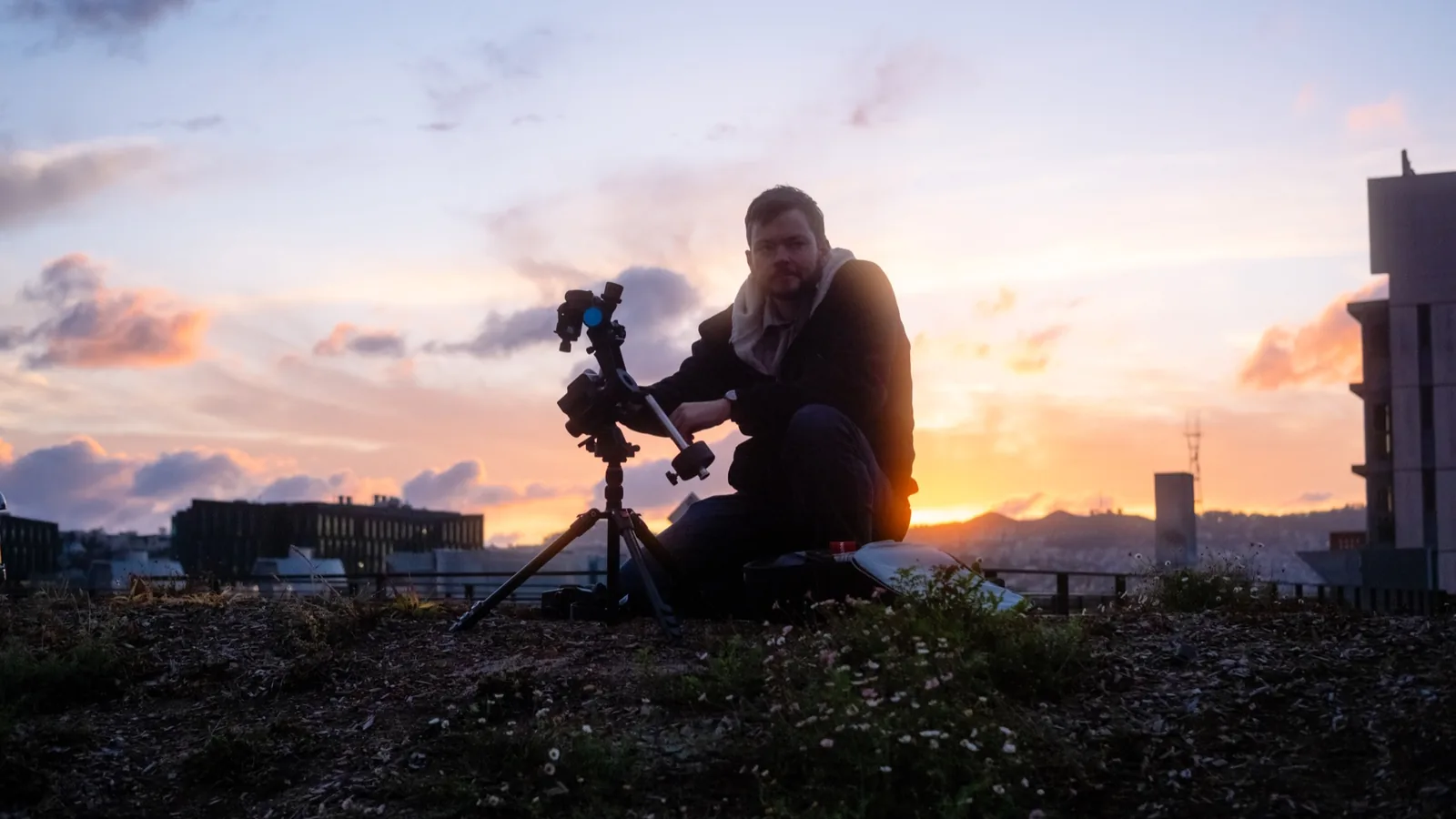
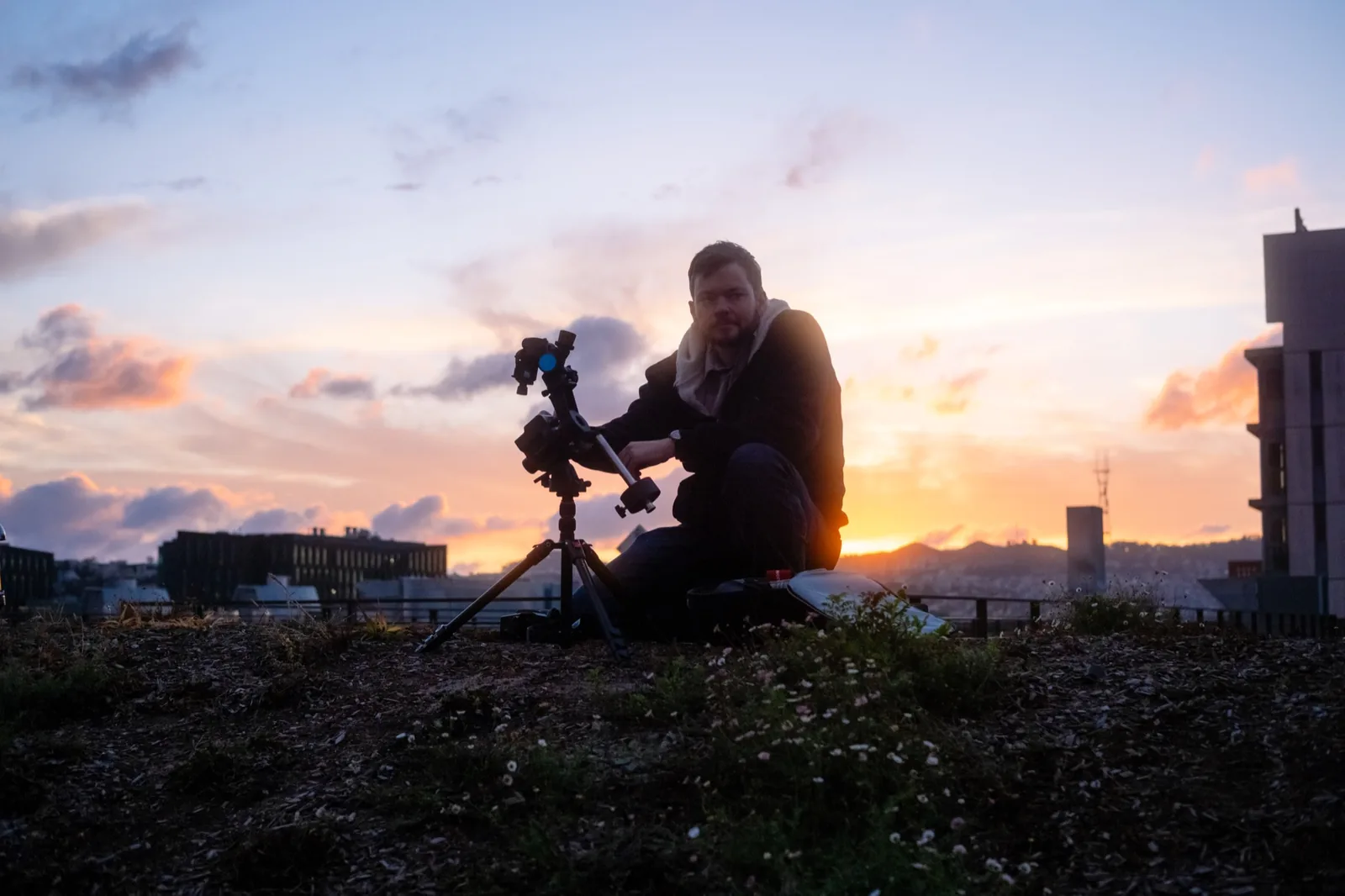
Kevin Bond, an engineer at OpenAI, used Codex to compare published methods and search about 100,000 stars from the Kepler telescope. Ethan Byrd, who runs the start-up Primitive, used Astra to design and run searches on data from TESS and other public archives.
What did the searches find?
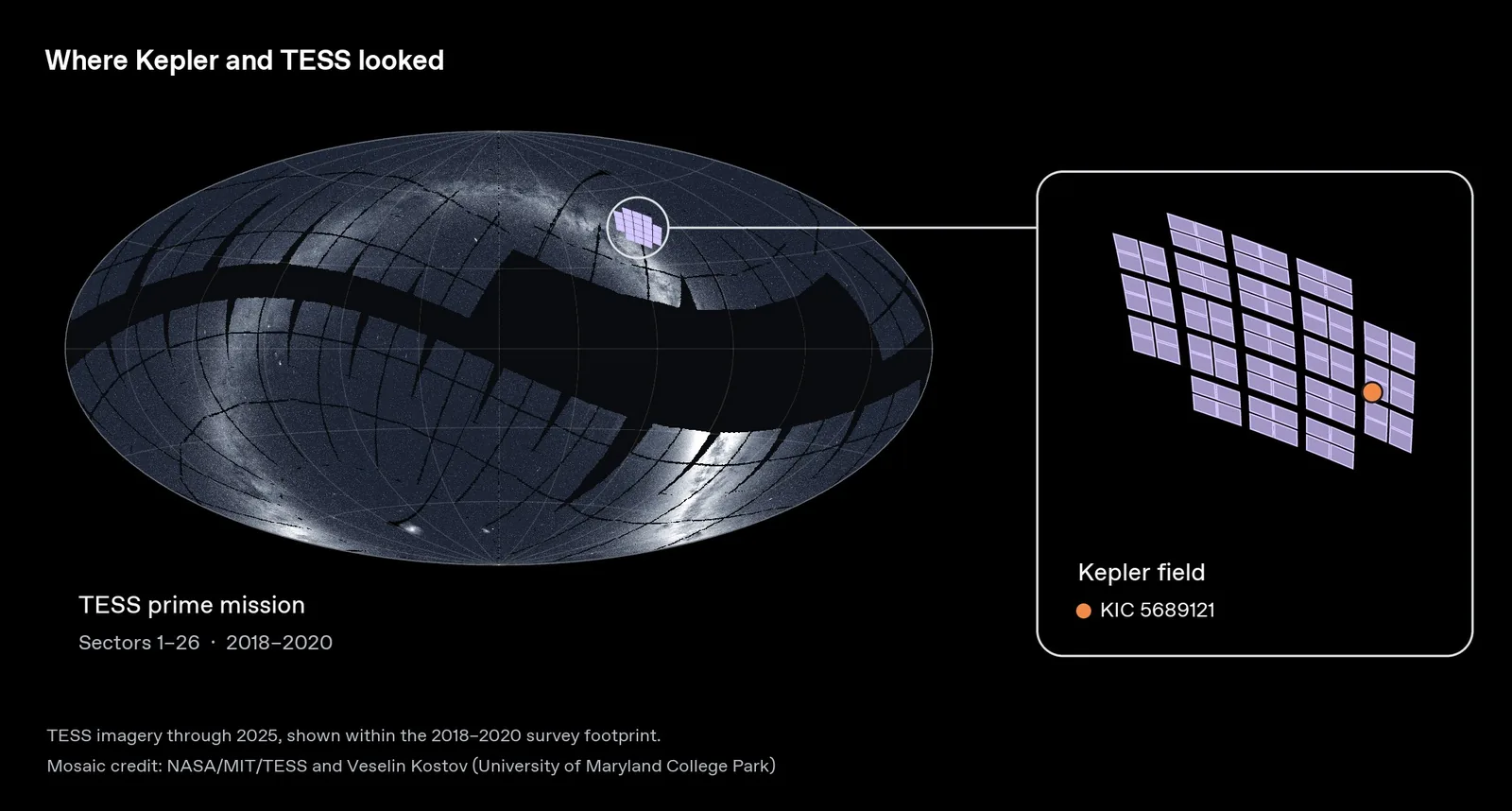
Bond's search flagged more than 200 signals, including 10 from planets already confirmed, which gave him confidence it worked. Two stood out: KIC 5689121, with a dip every 13.8 days that could mean a planet about 2.4 times Earth's width, and KIC 6691030, with a dip every 4.8 days.
A SETI Institute astronomer ran an independent search and found both signals. Byrd's first pass turned up 49 candidates, and he sent one of the strongest to researchers on NASA's TESS mission.
Are these confirmed planets?
No. Two stars crossing, or a change in temperature on the telescope, can also make a star dim. Astronomers use statistics and more observations before they publish a planet in a peer-reviewed journal.
OpenAI says each candidate is a question to test. If a planet crosses the star in Lyra every 13.8 days, astronomers can watch for the next crossing.
Why does it matter?
AI has helped in this search for years. What is new here is who is doing it: amateurs, with a coding agent, can design and run a search on public data and hand leads to professionals.
It is OpenAI's own account, so read the framing with care. The independent SETI check is the part that gives it weight.
What does it mean for you?
You will not find a planet by typing a prompt tonight, and nothing here is a confirmed discovery. But the public data is open, and OpenAI points to NASA's Exoplanet Watch for people who want to try without a telescope.
If you code, the pattern is the useful part: have the AI compare published methods, build the search, then check it on cases where you already know the answer, as Bond did with 10 known planets.
The same lesson shows up in our story on [the protein-design paper](/news/openai-gpt-6-protein-design-lab-tests/): the AI proposes, and independent checks decide. Our [Claude maths claim story](/news/anthropic-mathematician-claims-claude-riemann-hypothesis/) tells it too.
What's next?
Astronomers will watch for the next dips and run further checks. Byrd's search is still running, and two more candidates are awaiting submission to the TESS team.
Questions people ask
Which AI tools did they use?
Bond used OpenAI's Codex, a coding agent. Byrd used Astra, OpenAI's GPT-6 model, to design and run his searches.
What is a transit?
When a planet passes in front of its star from our view, it blocks a little light. On a graph of brightness over time, that shows up as a dip.
Who checked the results?
An astronomer at the SETI Institute independently found two of Bond's signals. One of Byrd's candidates is awaiting analysis by researchers on NASA's TESS mission.
Can I take part?
OpenAI points to NASA's Exoplanet Watch, where you can request data and plot a light curve, and to AAVSO and Unistellar programs for people with telescopes.
Sources
Why "Confirmed"? We label a story "Confirmed" when the company or government announced it itself. Spotted an error? Email hello@openloopnews.com and we will correct it.