Thinking Machines launches Inkling 2 Small, a 594B AI model with open weights promised
On 5 November 2026, Thinking Machines Lab introduced Inkling 2 Small, the first model of its second generation. It is a mixture-of-experts model with 594B parameters in total, 17B active, and image input. It is available on the lab's Tinker service with closed weights. The lab intends to release full weights under an Apache 2.0 licence next week, after external safety testing.
Updated 11 Nov 2026
The short version
- 01Inkling 2 Small has 594B parameters in total and 17B active at a time.
- 02It takes images as input and has adjustable effort.
- 03The lab says it scores 31 on the Artificial Analysis Intelligence Index.
- 04For now it is closed-weight and runs on Tinker, the lab's own service.
- 05The lab intends to release Apache 2.0 open weights next week, after safety testing.
At a glance
| Status | Confirmed (Thinking Machines Lab's own announcement) |
|---|---|
| Published | 5 November 2026 |
| Company | Thinking Machines Lab |
| Model | Inkling 2 Small |
| Size | 594B parameters in total, 17B active |
| Inputs | Text and images, with variable effort |
| Availability | Tinker, with closed weights for now |
| Open weights | Intended next week under Apache 2.0, after safety testing |
What is Inkling 2 Small?
Inkling 2 Small is the first model of Thinking Machines Lab's second model generation, announced on 5 November 2026. It is a mixture-of-experts model, which means only part of it runs for each answer.
It has 594B parameters in total and 17B active. It accepts images as input and has variable effort, so users can choose how hard it thinks.
What can it do?
The lab says the model is stronger at coding, vision, knowledge work and reasoning than its first generation. It says Inkling 2 Small scores 31 on the Artificial Analysis Intelligence Index.
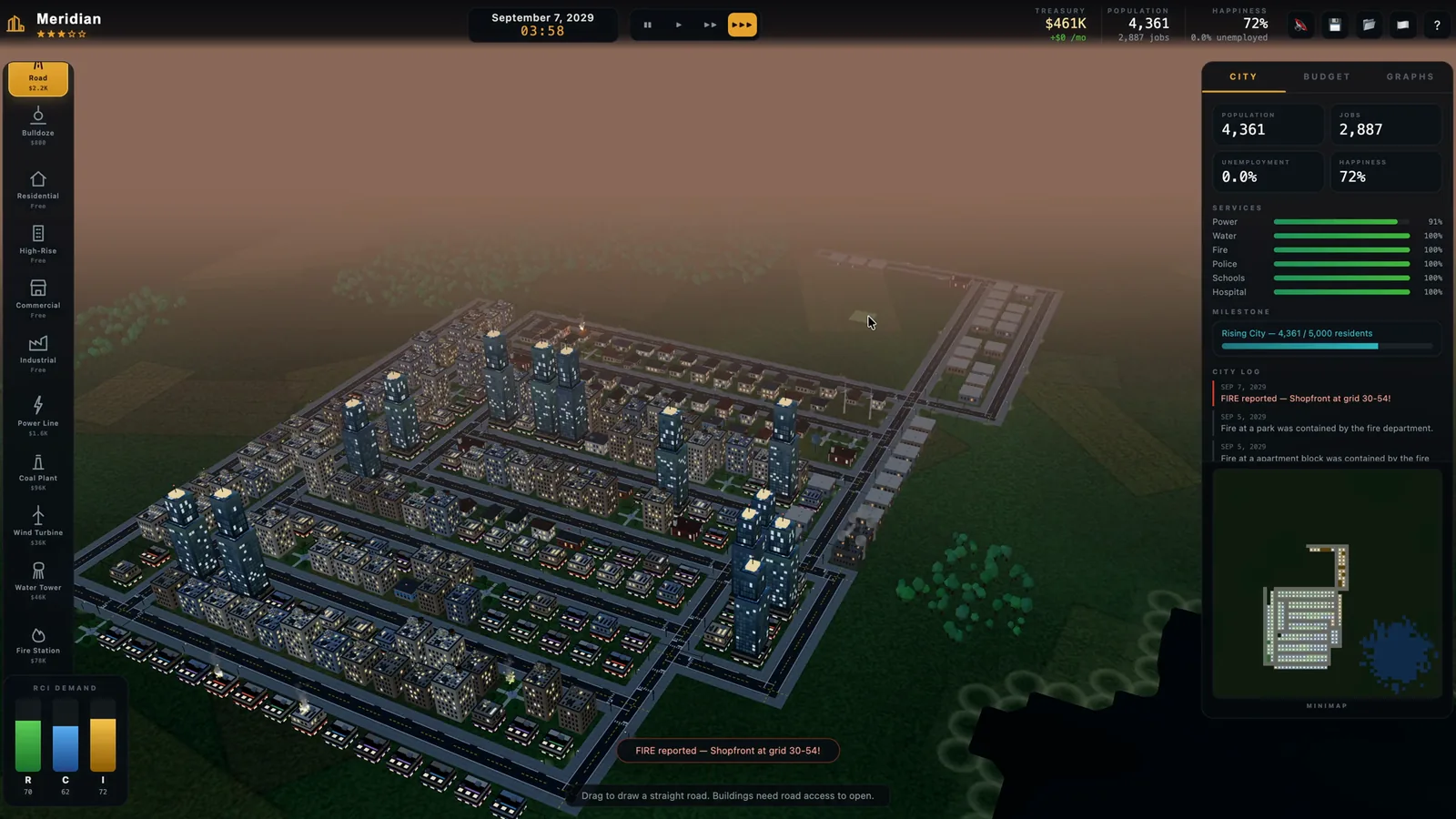
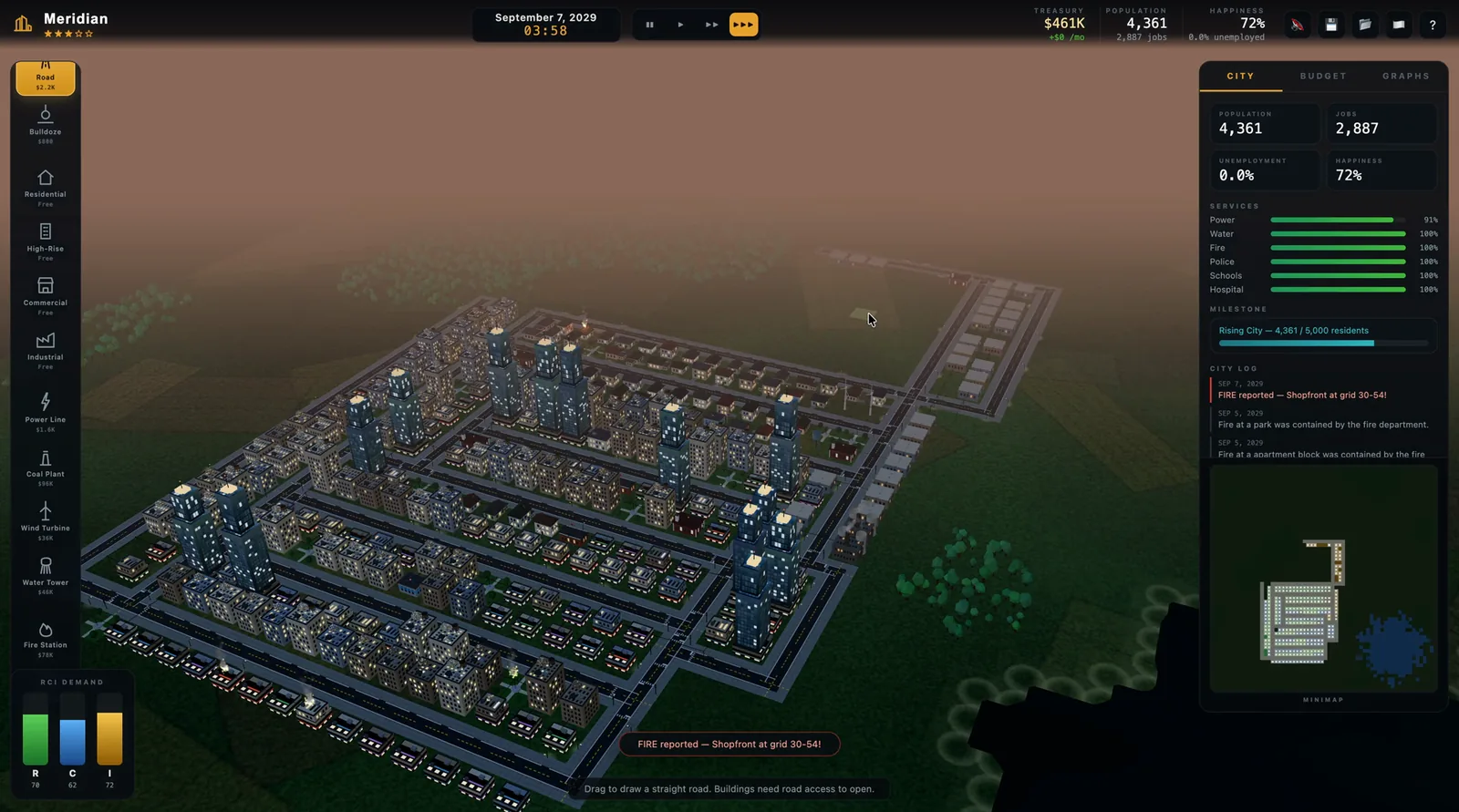
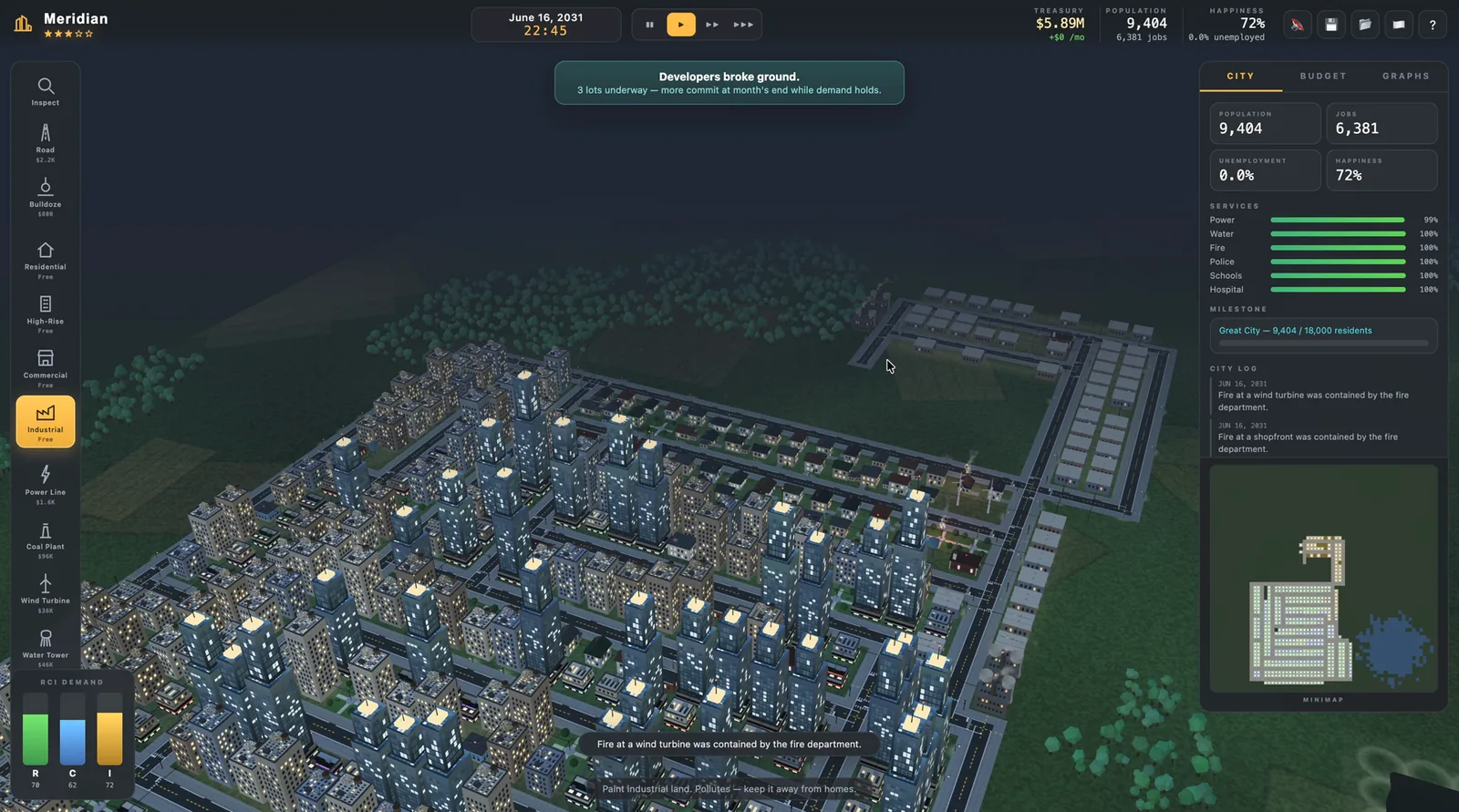
Its demos include a city simulator built with Three.js with no pre-made assets: every building, texture and car is generated by code. Another is a PC emulator written in Python that boots a real Linux kernel.
Can it do research on its own?
The lab says it tested the model on an autonomous research task. Inkling 2 Small trained a smaller model, Qwen3.5-4B, on Tinker to forecast things like weather and web page views.
After 4.5 hours of work and $426 in Tinker spend, the lab says the trained model had more than doubled its forecasting score. This is the lab's own test.
Who can use Inkling 2 Small?
For now it is available through Tinker, the lab's service, with closed weights. You can try it in the Tinker Playground, and it is available for fine-tuning and sampling.
The lab intends to release the full weights under an Apache 2.0 licence next week, after external safety testing and red-teaming.
Why does it matter?
If the weights are released, developers could run and adapt the model themselves. That depends on the lab keeping its promise and on the safety testing.
The benchmark results in the announcement are the lab's own. Outside tests will show how it compares.
What does it mean for you?
This is for developers and hobbyists who want to run or adapt a model themselves. The weights are due next week, after external safety testing, under Apache 2.0. Until then it is closed and only on Tinker, where the Playground is open.
Other open-weight releases show why to read the licence. [Mistral Large 4](/news/mistral-large-4-open-weights/) is free to use and change, but a company selling access as a service needs a separate commercial licence. [Meta's Muse Spark Open](/news/meta-muse-spark-open-weights-two-macs/) has a licence with limited commercial terms.
A promise is not a release. [Moonshot's Kimi K3.1 Pro](/news/kimi-k3-1-pro-moonshot-open-weight/) was called open-weight on 24 October, with weights promised by 4 November. Wait for Inkling's files before you plan around them.
If you are not a developer, there is nothing to do. Look for outside tests, because the score of 31 on the Artificial Analysis Intelligence Index is the lab's own.
What's next?
The lab says the weights are due next week. Until they are out, the model is closed.
Questions people ask
What is Inkling 2 Small?
A mixture-of-experts AI model from Thinking Machines Lab with 594B parameters in total and 17B active, announced on 5 November 2026.
Is Inkling 2 Small open source?
Not yet. It is closed-weight on Tinker. The lab intends to release the weights under Apache 2.0 next week, after safety testing.
Where can I try it?
On Tinker, the lab's service. The Tinker Playground is open today, and the model is available for fine-tuning and sampling.
Does it understand images?
Yes. The lab says it supports image inputs and variable effort.
Are the benchmark scores independent?
The figures in the announcement are the lab's own, including the score of 31 on the Artificial Analysis Intelligence Index.
Sources
Why "Confirmed"? We label a story "Confirmed" when the company or government announced it itself. Spotted an error? Email hello@openloopnews.com and we will correct it.