Google DeepMind launches Gemini Robotics 2.5, tested packing car parts at Mercedes
On 10 November 2026, Google DeepMind introduced Gemini Robotics 2.5, which it calls its most capable vision-language-action model so far. It is rolling out to robotics partners. In a pilot at Mercedes-Benz factories, Apptronik's Apollo 2 humanoid robot used it to sort car parts into trays with a 96% success rate.
Updated 11 Nov 2026
The short version
- 01Google DeepMind introduced Gemini Robotics 2.5 on 10 November 2026.
- 02It is rolling out to Google's robotics partners, not the public.
- 03Apollo 2 humanoid robots sorted car parts at Mercedes-Benz with a 96% success rate in a pilot.
- 04Success rates are 30% to 100% higher than previous baselines, and tasks are 20% to 30% faster.
- 05Google also released ASIMOV-Jailbreak, an open-source robot safety benchmark.
At a glance
| Status | Confirmed (Google DeepMind's own announcement) |
|---|---|
| Announced | 10 November 2026 |
| What it is | A vision-language-action model for robots |
| Tasks tested | Over 200 distinct tasks |
| Factory pilot success rate | 96% |
| Robot in the pilot | Apptronik Apollo 2 humanoid |
| Pilot sites | Kecskemét, Hungary and Sindelfingen, Germany |
| Availability | Rolling out to robotics partners |
What is Gemini Robotics 2.5?
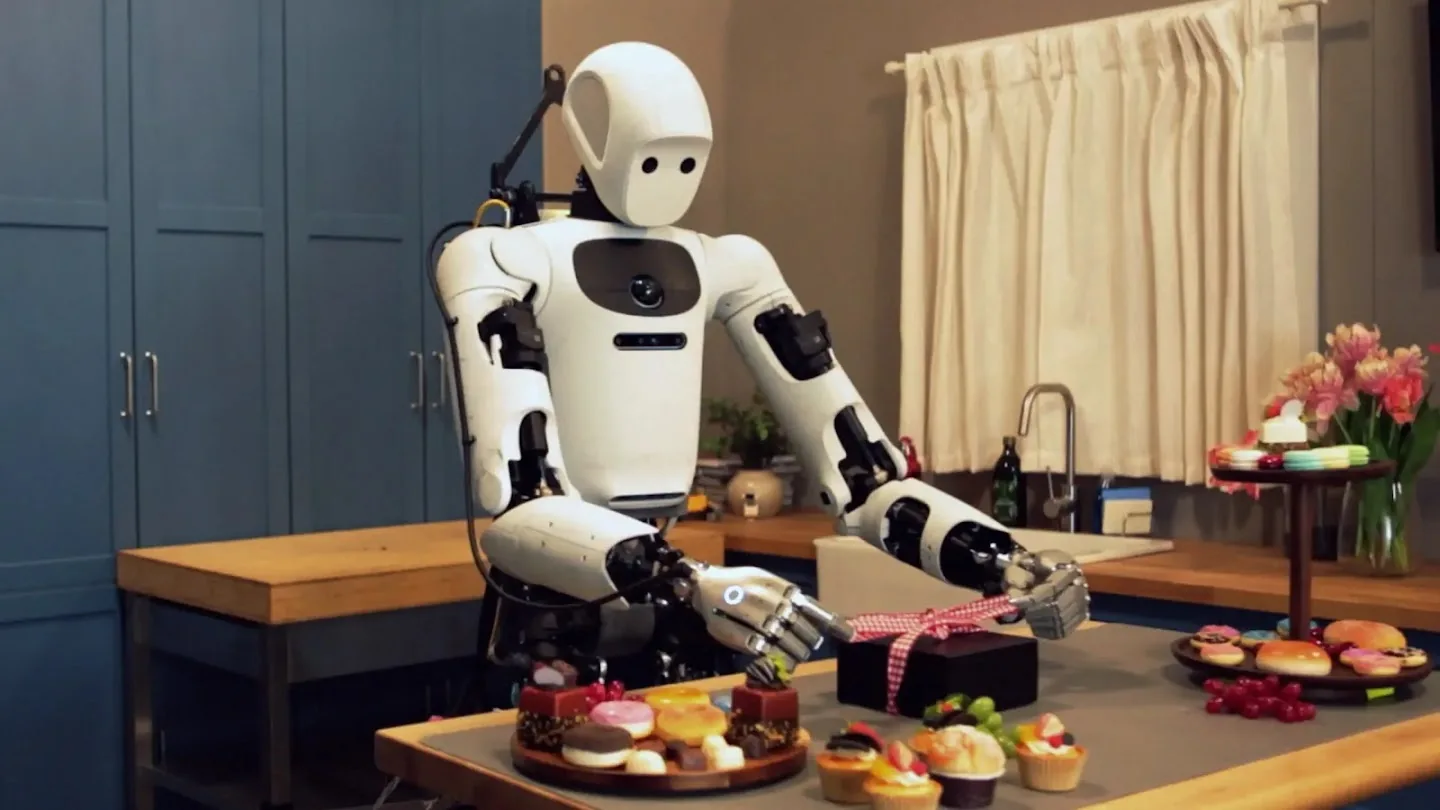
Gemini Robotics 2.5 is Google DeepMind's most capable vision-language-action (VLA) model to date. A VLA model takes in what a robot sees and an instruction, and turns them into movements.
Google says it increases both the range of skills a robot can learn and how quickly it learns them. Earlier this year it brought whole-body intelligence to robots of many types, including humanoids.
What did the Mercedes-Benz test show?
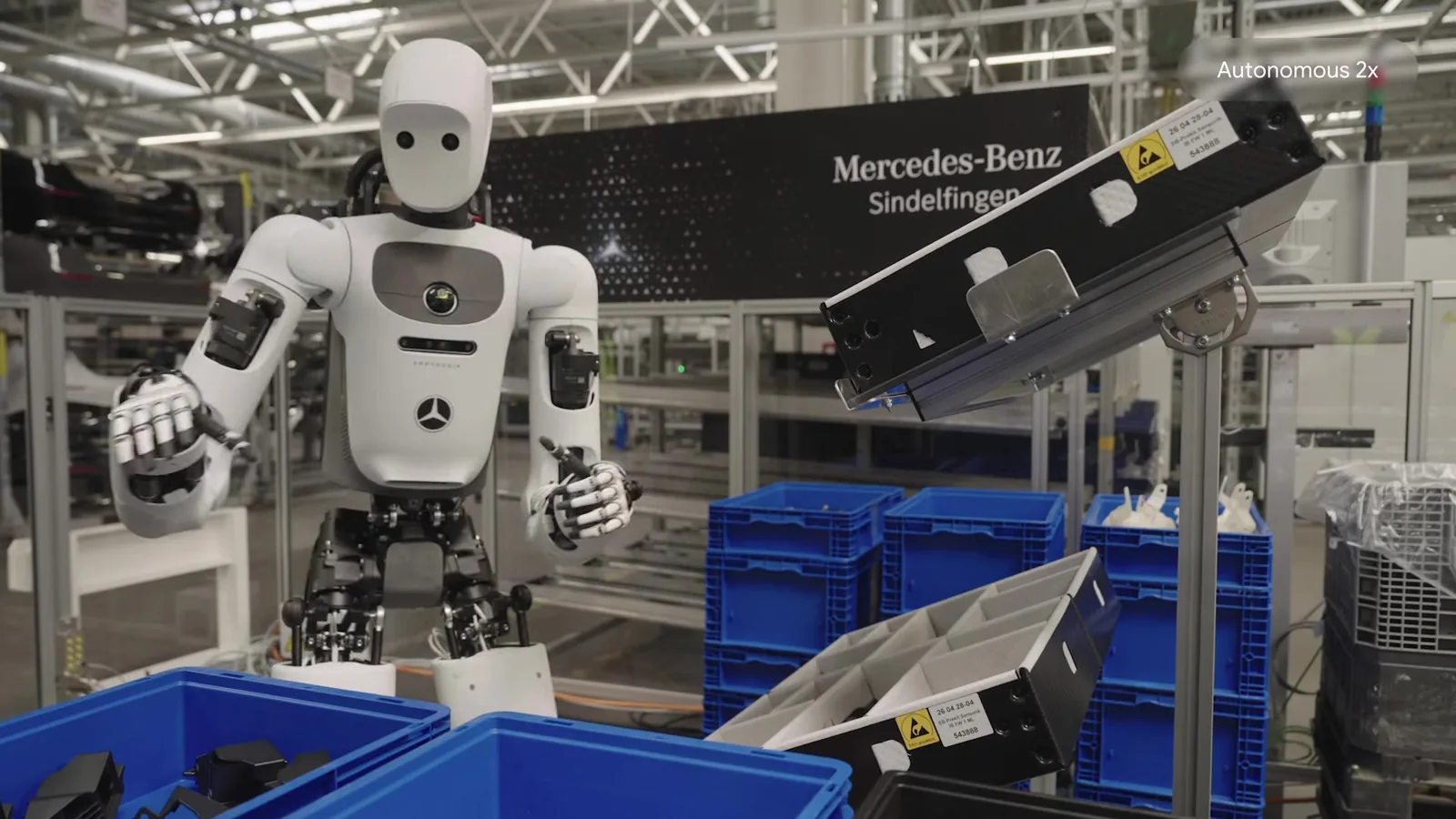
Google DeepMind worked with Apptronik and Mercedes-Benz to run Apollo 2 humanoid robots on active production lines in Kecskemét, Hungary, and Sindelfingen, Germany.
In the pilot, Apollo 2 did automotive kitting on its own: it sorted parts from bulk bins into trays in the order each vehicle needs. Google says it reached a 96% success rate and calls the work a proof-of-concept.
This is what we built Apollo for: useful work alongside people in real industrial settings.
Jeff Cardenas, co-founder and CEO of Apptronik
How much better is it than the old model?
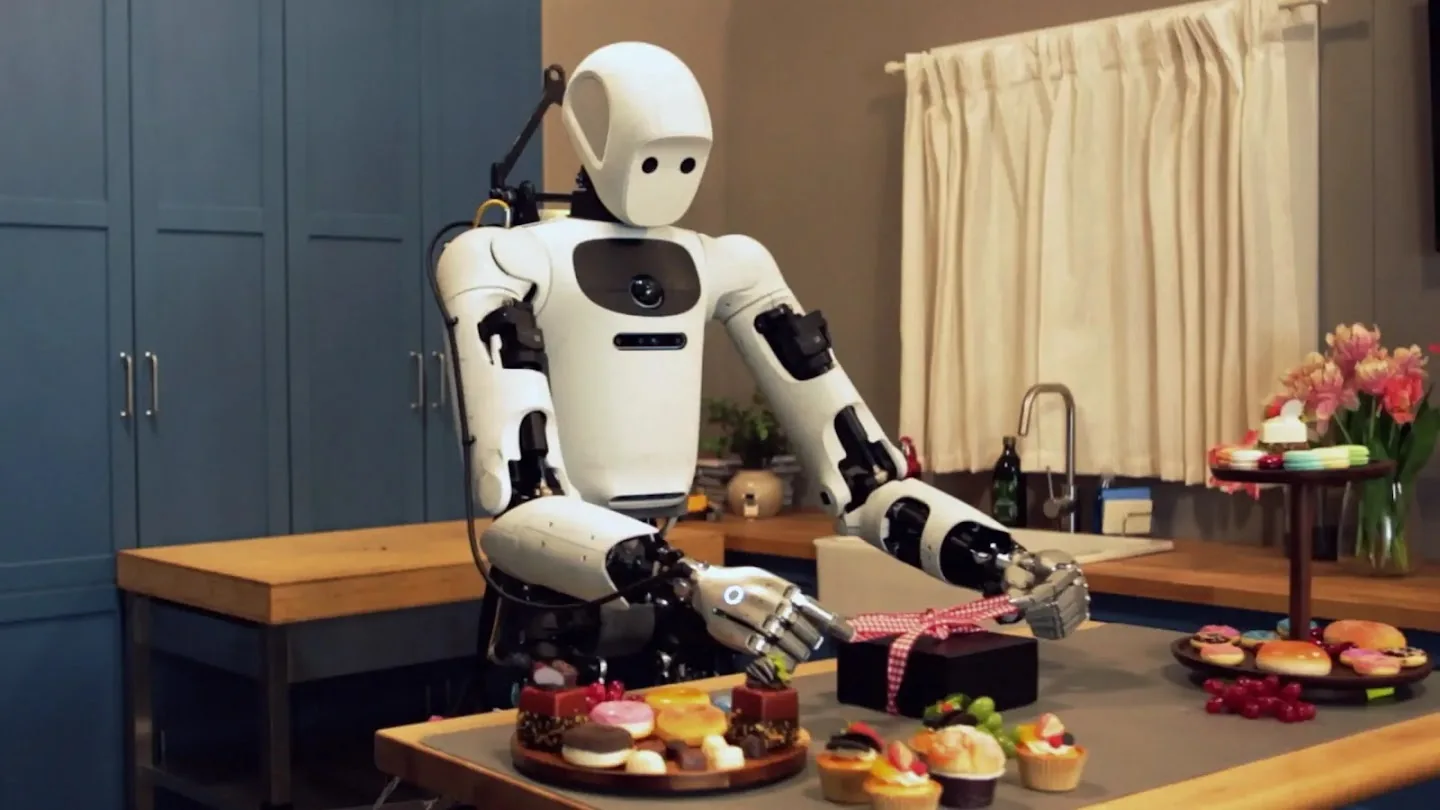
Across over 200 tasks, such as serving food with tongs, tying a bow on a gift box and pipetting a liquid, Google says Gemini Robotics 2.5 had a 30% to 100% higher success rate than previous baselines, depending on the task. Tasks finished 20% to 30% faster.
These are Google's own tests against its own earlier baselines.
Is it safe around people?
Google says the model uses reasoning guidance at run time to steer around physical hazards. In its tests, safe task completion around obstacles rose by 33%, and around nearby people by 43%.
Google also released ASIMOV-Jailbreak, an open-source benchmark of hundreds of prompts that disguise unsafe requests. It says Gemini 4 Argon reached 99.5% jailbreak resistance, against 82% for the earlier Gemini Robotics ER 2.
Who can use it?
Google says Gemini Robotics 2.5 is rolling out to its robotics partners. Its page does not announce a release for the general public.
Why does it matter?
Robots that handle delicate and varied objects reliably are what makes them useful outside labs. This is a pilot, not a full rollout, but it is a real factory job done at a high success rate.
What does it mean for you?
You cannot use Gemini Robotics 2.5. Google says it is rolling out to robotics partners, and its page does not announce a public release. If you do not work with factory robots, you can treat this as a progress report.
The number to remember is 96%, for sorting car parts at Mercedes-Benz. It is a proof-of-concept pilot, so it does not mean humanoid robots are ready to run whole factories. The gains over older baselines come from Google's own tests.
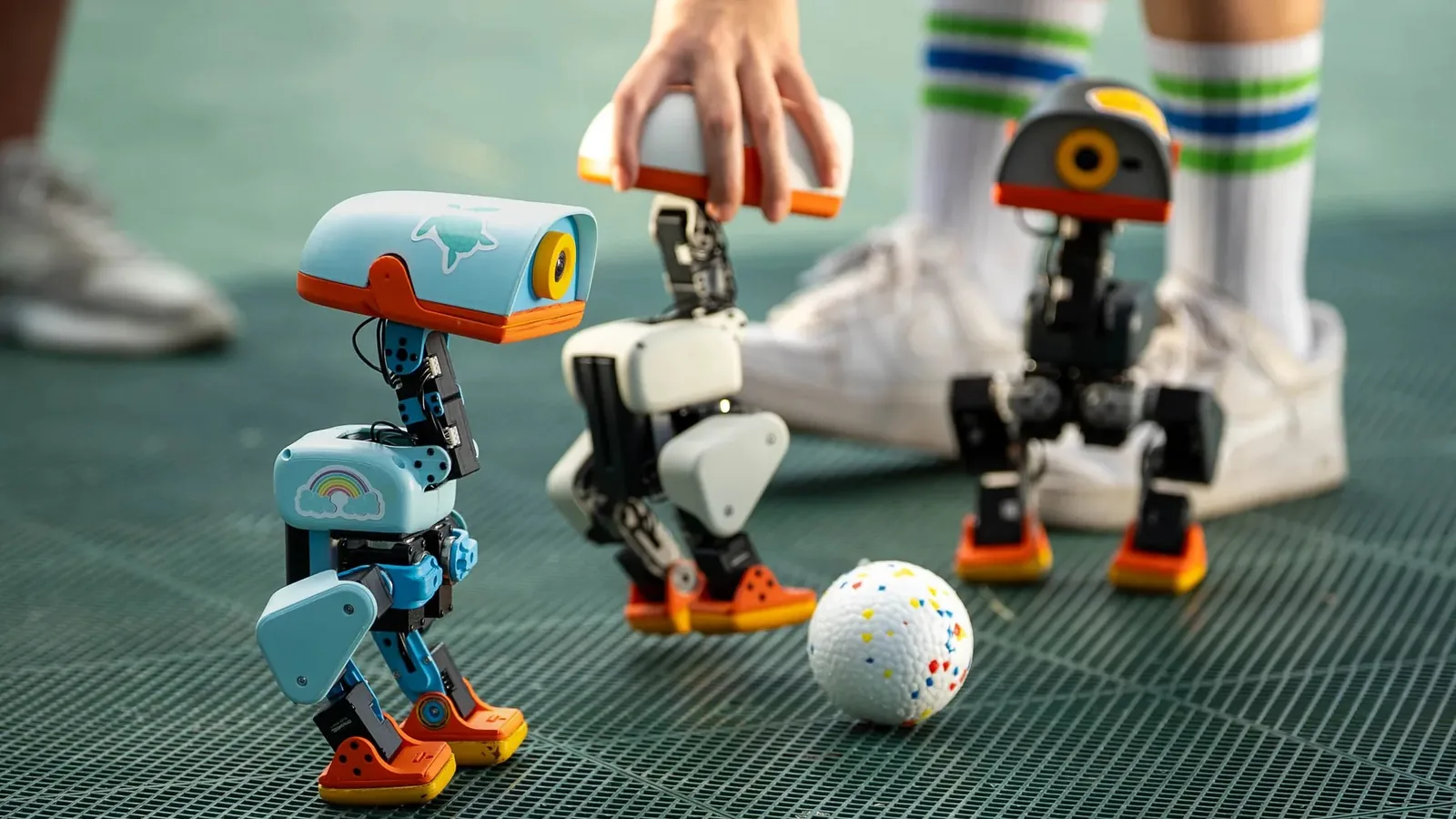
For a sense of what you can buy, compare it with [Microduck, a $399 open-source walking robot](/news/microduck-robot-duck-20000-preorders/) that nears 20,000 preorders. It is 25 cm tall and a different kind of product from a factory humanoid.
DeepMind's AI work is not only about robots. Its [Genie 4 world model](/news/genie-4-deepmind-world-model/) simulates a world in real time, and both point to AI that deals with physical things. If your job is in a factory or warehouse, the thing to watch is wider availability, which Google has not announced.
What's next?
Google says the approach could scale to many more tasks than the 200 it tested. We will update this page if it announces wider availability.
Questions people ask
What is Gemini Robotics 2.5?
Google DeepMind's most capable vision-language-action model so far, which turns what a robot sees and is told into actions.
What did Apollo 2 do at Mercedes-Benz?
It sorted car parts from bins into trays on its own, with a 96% success rate in a pilot.
Can I use Gemini Robotics 2.5?
Not yet. Google says it is rolling out to its robotics partners.
How much better is it than the previous model?
Google reports a 30% to 100% higher success rate and 20% to 30% faster tasks than previous baselines.
What is ASIMOV-Jailbreak?
A new open-source benchmark from Google with hundreds of prompts that disguise unsafe requests to robots.
Sources
Why "Confirmed"? We label a story "Confirmed" when the company or government announced it itself. Spotted an error? Email hello@openloopnews.com and we will correct it.